Nebraska Outdoor Calendar

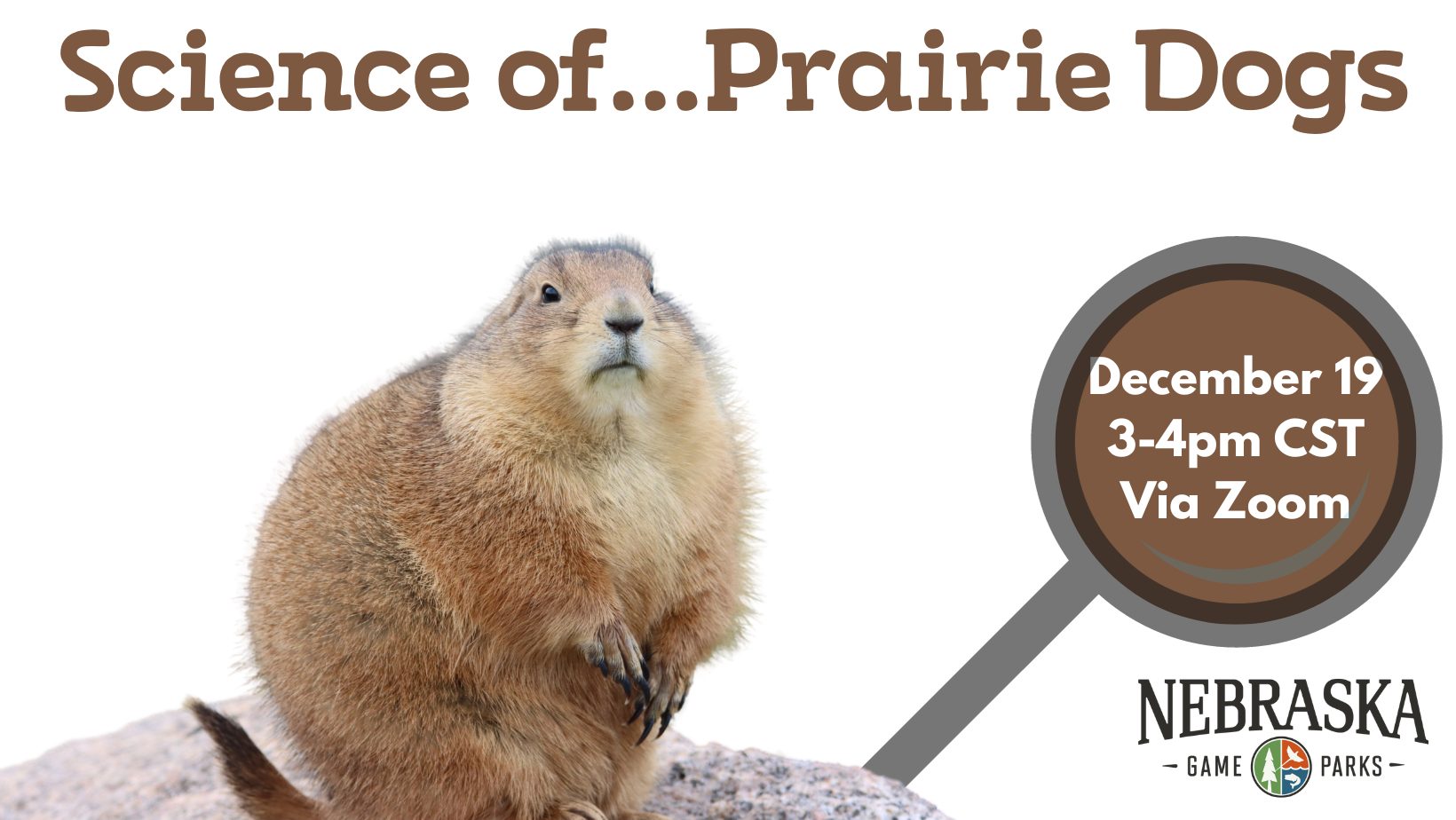
  • Science of…Prairie Dogs

    Zoom- online
    Wildlife Education

    In this last episode of the 2024 Science of Series we will be focusing on Prairie Dogs. Depending on who you talk to they are either an ecological oasis or a nuisance species, we will touch on both in this final episode. These rodents are sometimes called keystone species as they provide homes and resources […]

    FREE
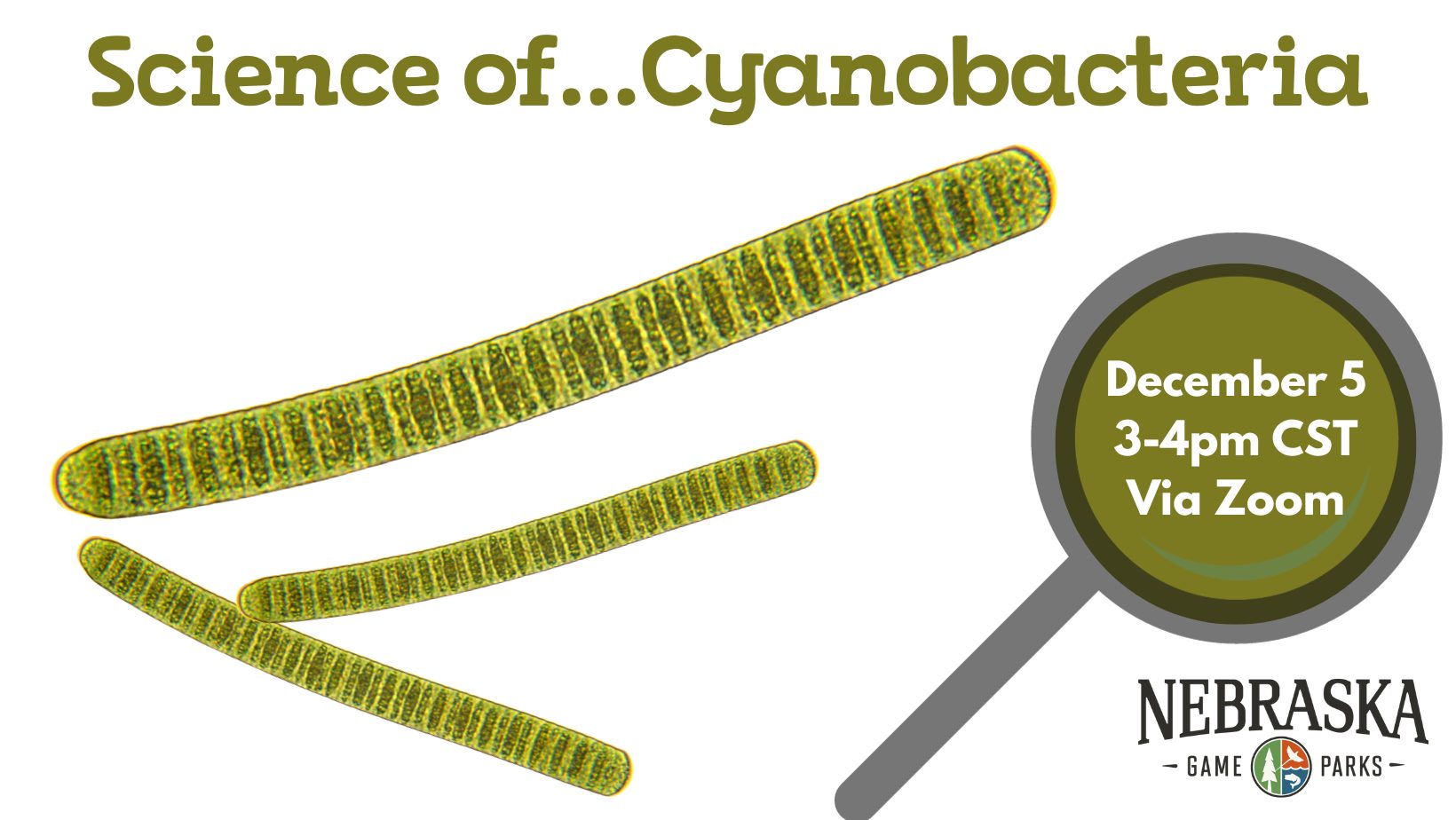
  • Science of…Cyanobacteria

    Zoom- online
    Wildlife Education

    Some of you may be wondering, what the heck is cyanobacteria? Well, you might not have heard of cyanobacteria, but you may have heard of blue-green algae, which is sometimes what this is called. These single-celled microscopic organisms are found naturally in all types of water, and they use sunlight to make their own food. […]

    FREE
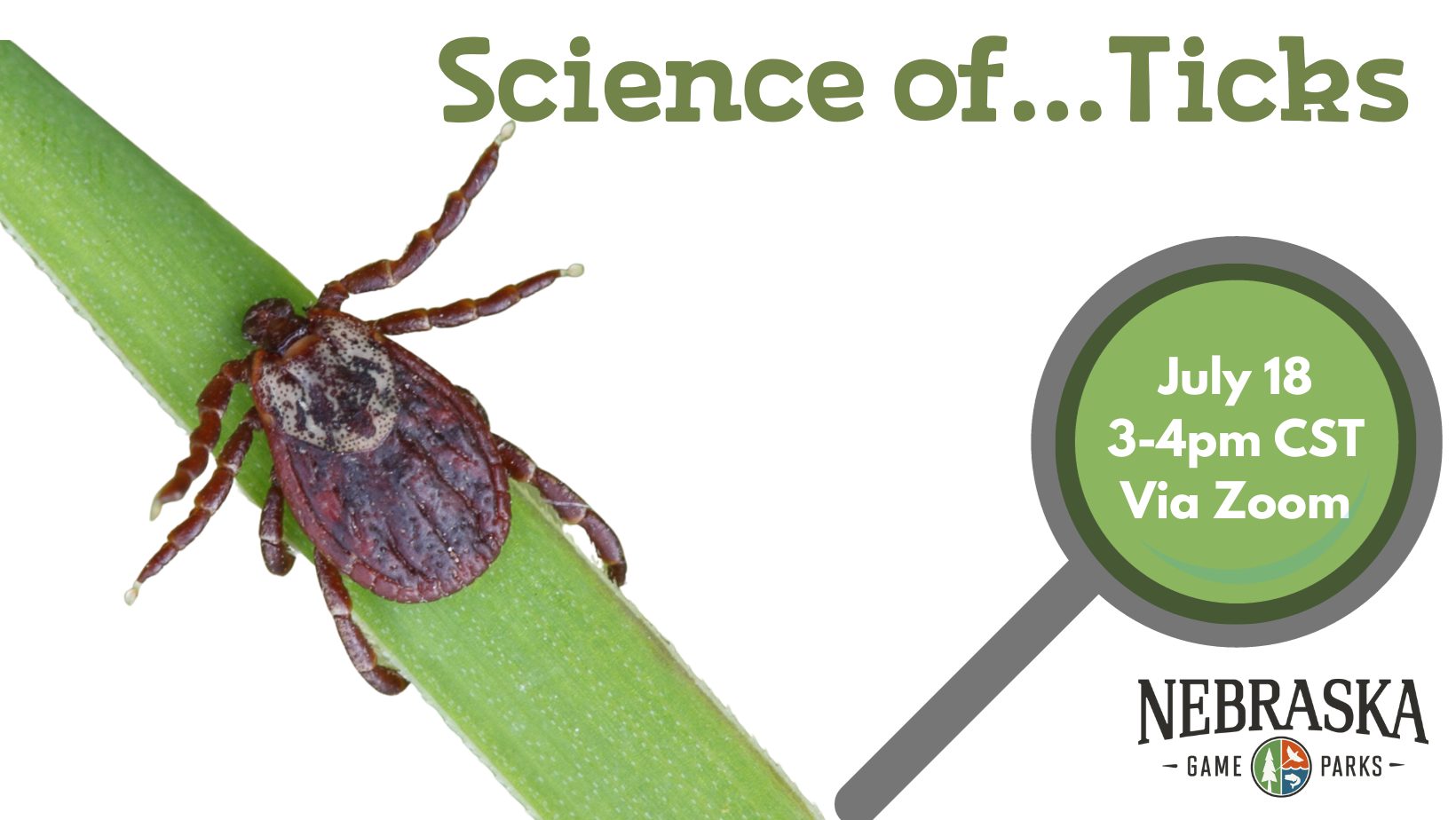
  • Science of…Ticks

    Zoom- online
    Wildlife Education

    Tick season has been in full swing for awhile now here in Nebraska, and often times this is a huge barrier for keeping people from getting outside. There are many species of ticks in the world and they can cause numerous diseases rather than just Rocky Mountain Spotted Fever and Lyme disease. In this Science […]

    FREE
  • Science of…The Sandhills

    Zoom- online
    Wildlife Education

    What landscape in Nebraska covers nearly 19,300 square miles and is the largest sand dune formation in the Western hemisphere, and the largest grass-stabilized dune regions in the world? The Sandhills of Nebraska. This fascinating landscape located in central/west Nebraska is home to hundreds of plants, birds, reptiles, mammals, and insects. In this Science Of […]

    FREE
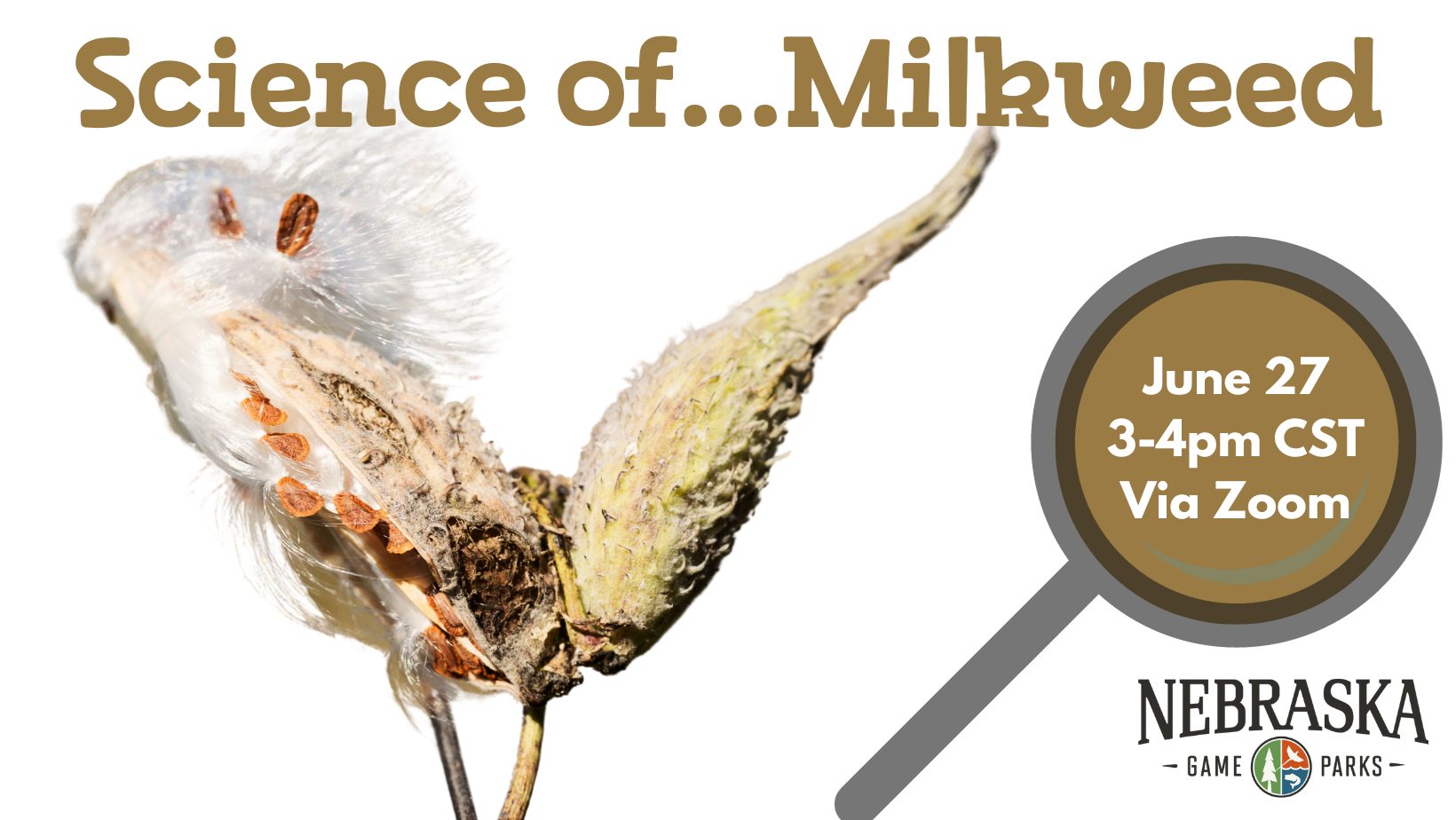
  • Science of…Milkweed

    Zoom- online
    Wildlife Education

    Milkweeds and Monarch butterflies, these two things go together like peanut butter and pickles…no really, they go great together. But anyway Milkweeds are perennial plants which get their name from their milky sap. They occur just about anywhere and are critical for the lifecycle of the Monarch Butterfly. But, these butterflies aren’t the only insects […]

    FREE
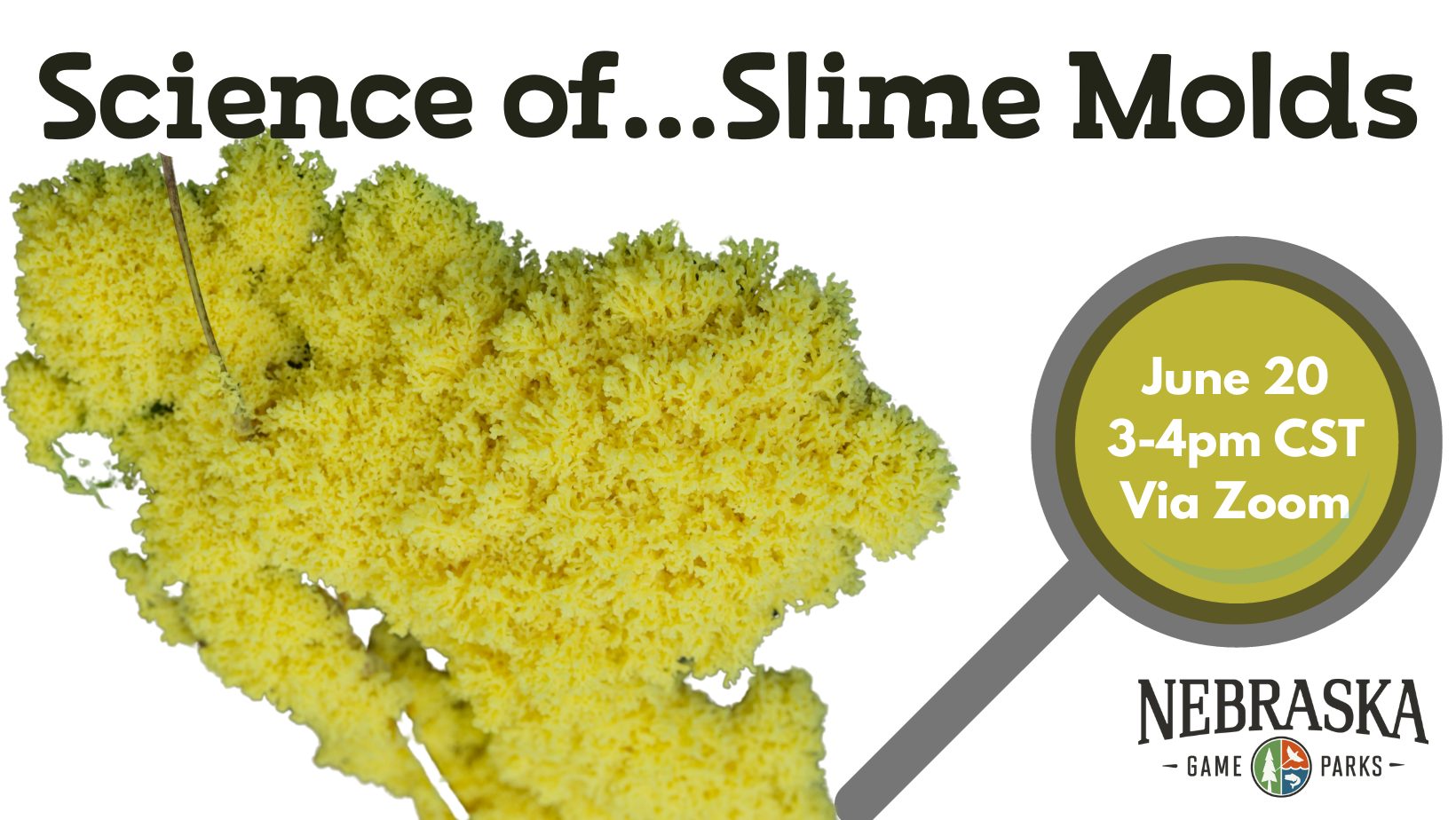
  • Science of…Slime Molds

    Zoom- online
    Wildlife Education

    Not plant, not animal, not fungus…so what is it? It’s a slime mold. Slime Molds come in every color of the rainbow, except a true green and can form strange and sophisticated shapes. Some look like honeycomb lattices, and others resemble blackberries. And then you have the “dog vomit” slime mold, because, well…you get it. […]

    FREE
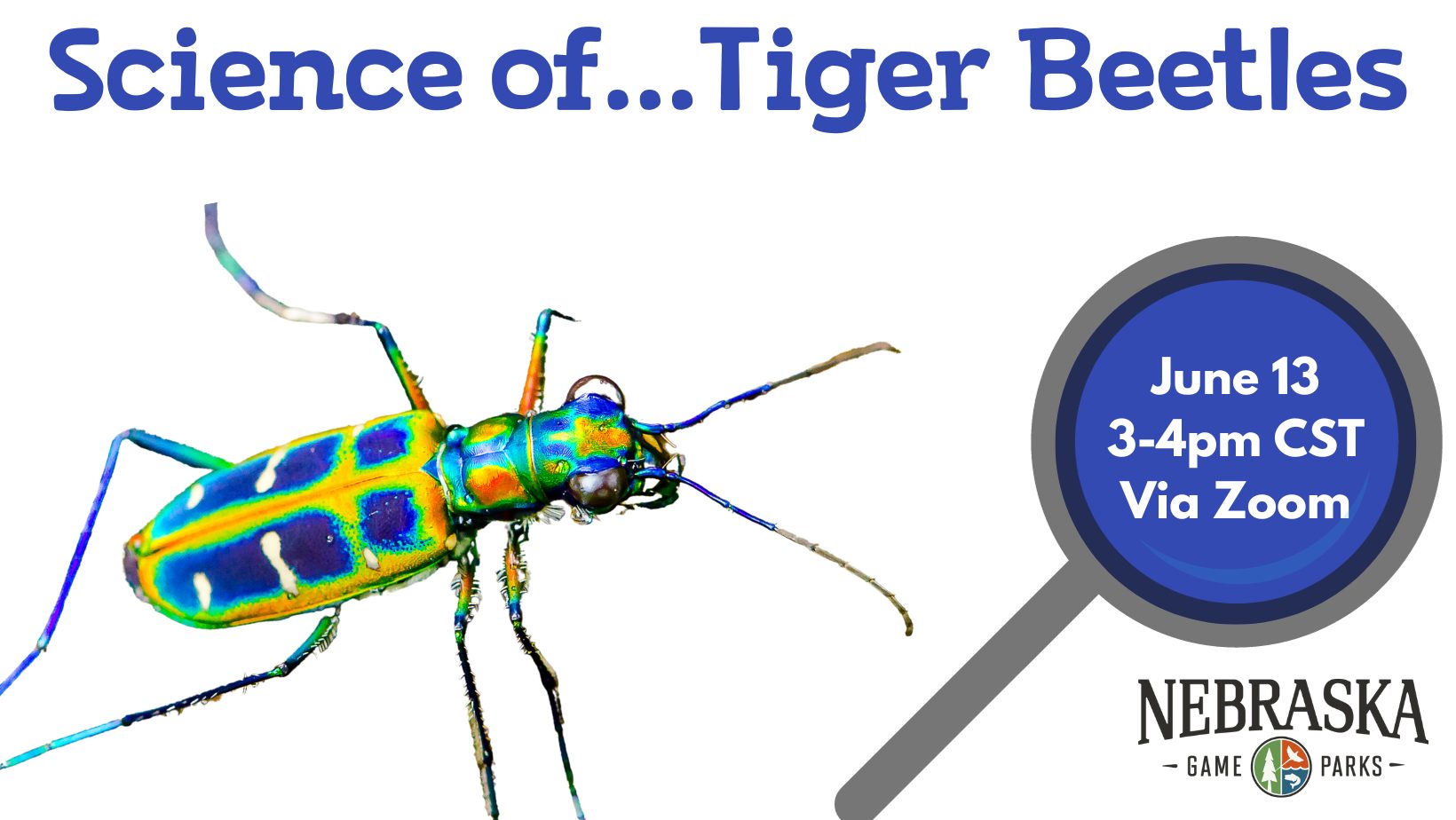
  • Science of…Tiger Beetles

    Zoom- online
    Wildlife Education

    Tiger beetles encompass around 100 species in North America, and it just so happens that Nebraska houses one of the world’s rarest- the Salt Creek Tiger Beetle. These voracious predators may be small, but they are nothing to snub at. These insects are highly active and well-known for their quick running and agile flying abilities. […]

    FREE
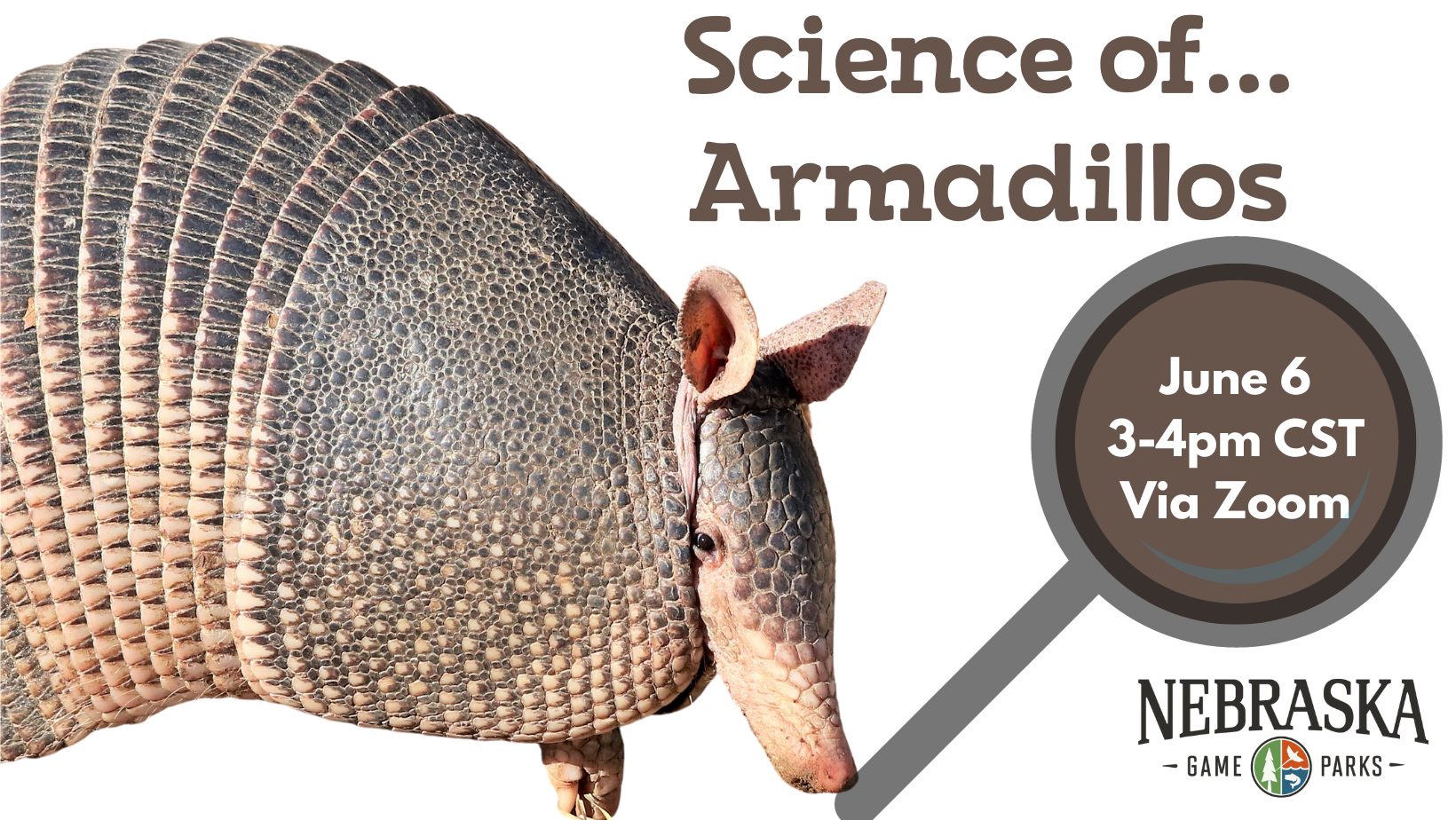
  • Science of…Armadillos

    Zoom- online
    Wildlife Education

    Why did the armadillo cross the road? To get to the shell station. Okay, so I promise the information will be better than the jokes. Although not native to Nebraska, the Nine-banded Armadillo has made its way north into Nebraska. These heavy-armored mammals are such an interesting species they deserve to have their own Science […]

    FREE
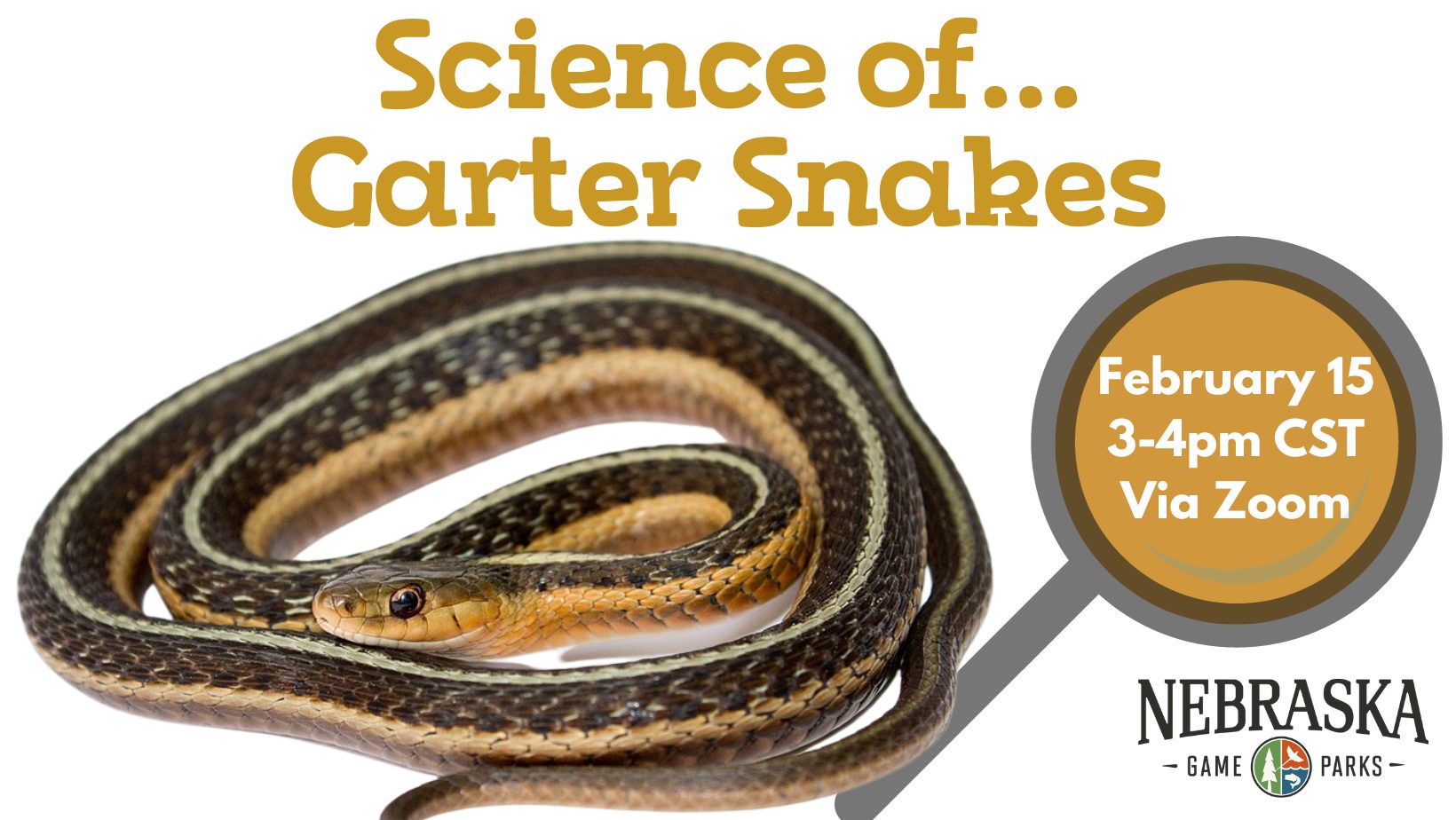
  • Science of…Garter Snakes (Virtual Event)

    Zoom- online
    Wildlife Education

    It may seem weird to be discussing Garter snakes in February, but truth be told you could be one of the lucky few to witness these reptiles slinking through, or around the snow. February is known to have some warm days and that means you could see a Garter snake out and about for a […]

    FREE
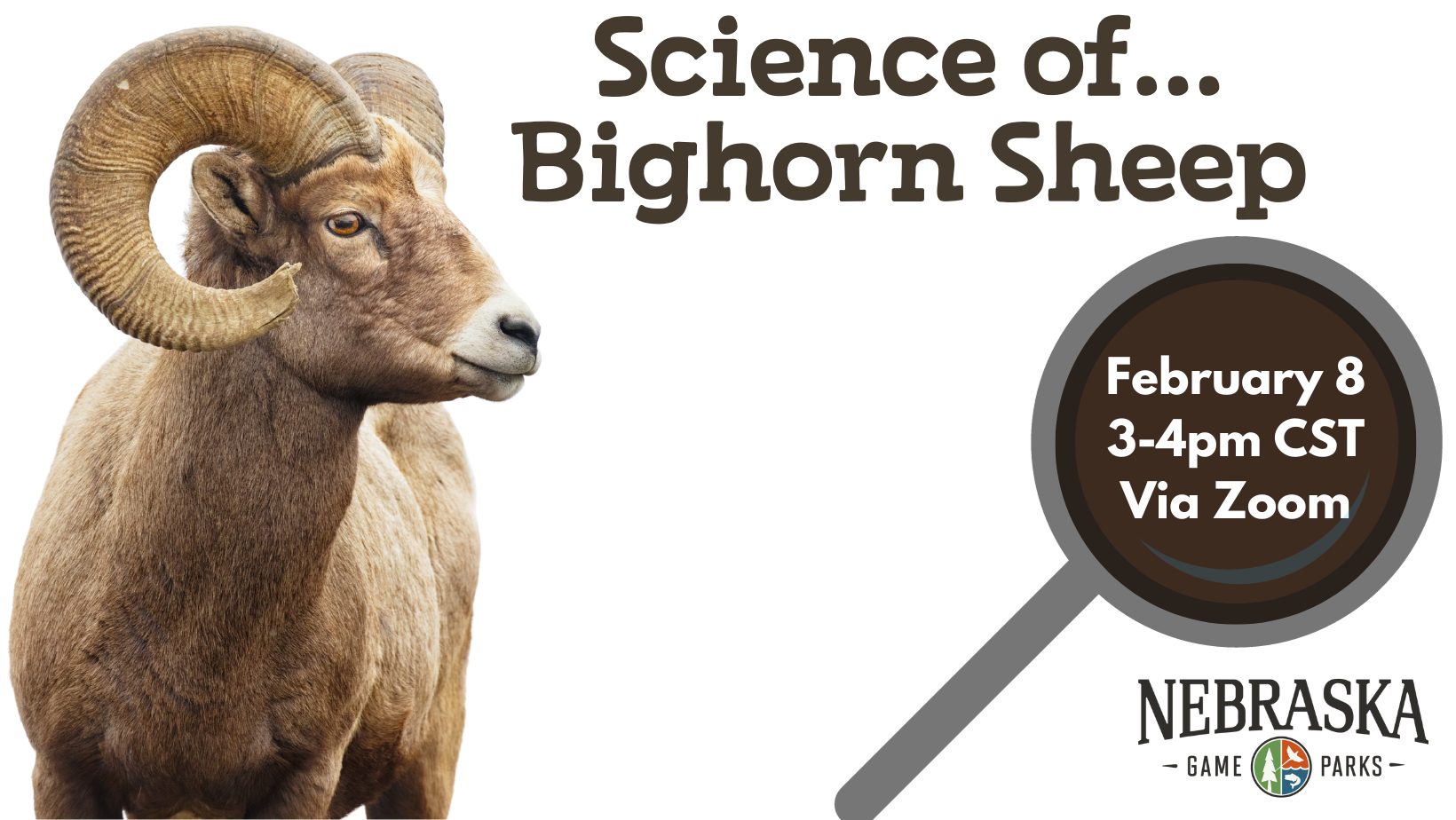
  • Science of…Bighorn Sheep (Virtual Event)

    Zoom- online
    Wildlife Education

    When people think of Bighorn Sheep, they may envision these ungulates climbing steep rugged mountainous terrain. But truth is Bighorn Sheep are native to the plains and bluffs of western Nebraska. These bovids have had an interesting history in the state and in this Science Of episode we will talk all about the reintroduction efforts […]

    FREE
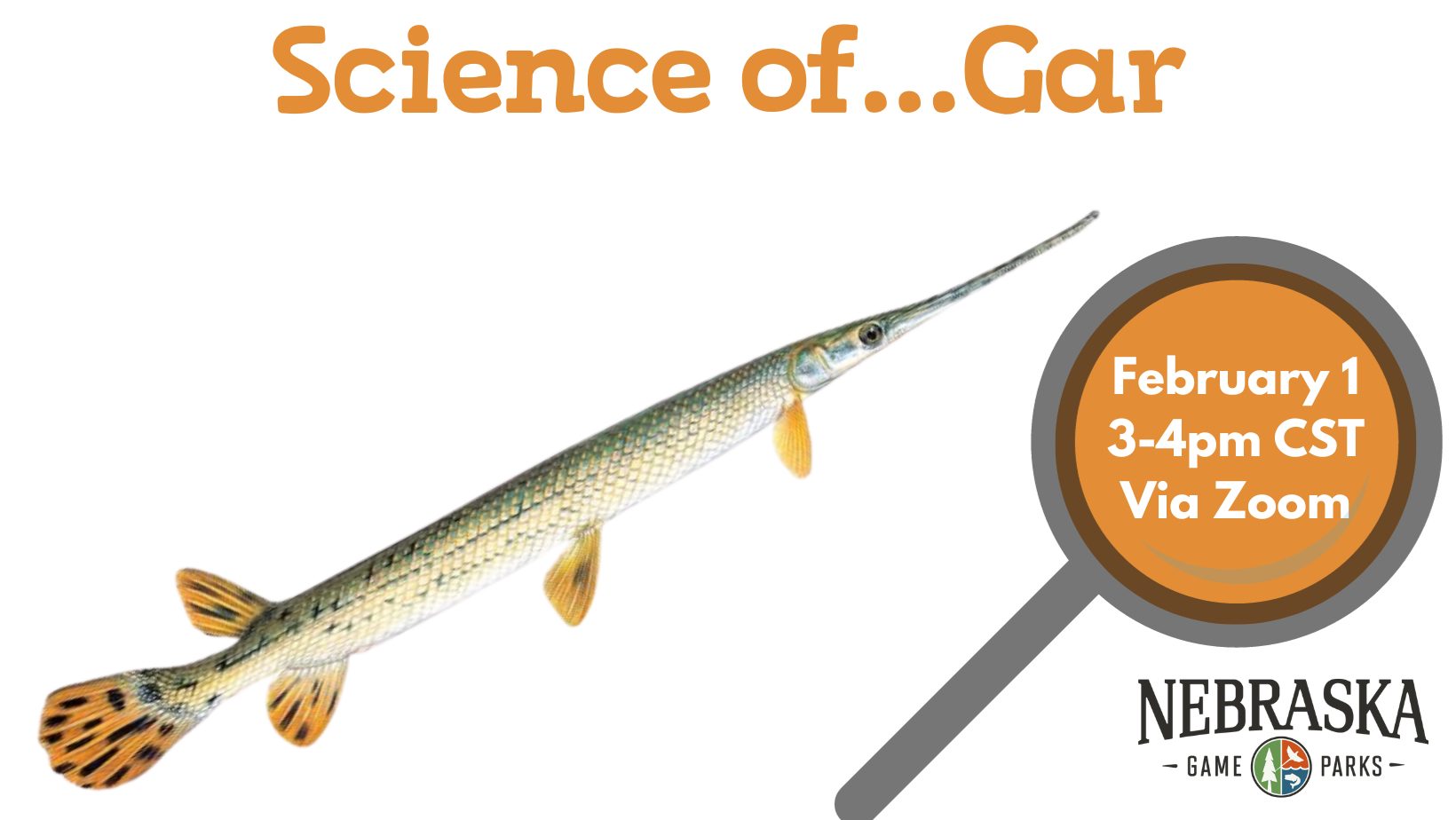
  • Science of…Gar (Virtual Event)

    Zoom- online
    Wildlife Education

    Nebraska is home to around 100 species of fish, one of the oddest-looking fish are the gar. Nebraska is home to two species of gar- the Shortnose Gar, and the Longnose Gar. They are the only surviving members of the Ginglymodi, a clade of fish that first appeared over 240 million years ago in the […]

    FREE
  • Science of…Smell (Virtual Event)

    Zoom- online
    Wildlife Education

    Each basic category of animal has its own unique way of smelling. Science shows that most animals have a sense of smell, but the organ they use to smell can vary widely across the animal kingdom. A Turkey Vulture smelling looks incredibly different than a coyote smelling. In this Science Of episode, we will focus […]

    FREE